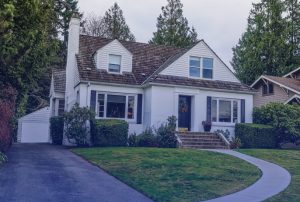

If you’ve ever hired a window replacement contractor and ended up with more headaches than you bargained for, you’re not alone. Window replacement sounds straightforward until the project runs over schedule, the warranty doesn’t cover what you thought it did, or you find out the installer didn’t pull a required permit.
Before you sign a single document, there are questions you need to ask. Not because contractors are shady (most aren’t), but because the right questions separate a smooth, code-compliant installation from a costly do-over. At Harley Exteriors, we’ve been helping homeowners across Seattle, Bellevue, Bothell, Everett, and the wider Puget Sound area since 2002, with over 21,000 completed installations. We’ve seen what goes wrong when homeowners skip this step, and we don’t want that for you.
If you’re already thinking about the installation itself, take a look at what goes into window installation in Bothell, WA before your first contractor meeting.
Why Asking the Right Questions Upfront Is So Important
According to the FTC’s 2025 consumer guidance on home improvement projects, incomplete contracts and missing written scopes contribute to the majority of disputes in window and door projects. Industry data from contractor guides suggests that improper installation voids manufacturer warranties in up to 30 to 40% of cases.
That’s not a small number. And in the Pacific Northwest, where Seattle’s 2021 Energy Code sets specific performance standards for replacement windows, the stakes are even higher.
So here’s what to ask, why it matters, and what a good answer sounds like.
1. Are You Licensed, Insured, and Registered With Washington L&I?
This is non-negotiable. In Washington State, contractors must be registered with the Department of Labor & Industries (L&I). You can verify this directly on the official L&I website before you commit to anything.
What to look for:
- Full legal business name and physical address (not a P.O. box)
- L&I registration number
- Proof of general liability insurance
- Workers’ compensation coverage
If a contractor hesitates on any of these, that’s your first signal to pause.
2. How Long Have You Been in Business, and Can You Share Recent Local References?
Experience matters, but recent local experience matters more. A contractor who has worked in the Seattle area understands local permit requirements, energy codes, and weather conditions specific to the Pacific Northwest.
Ask for:
- At least 3 to 5 references from projects completed in the past 12 to 24 months
- BBB history and resolution record
- Photos or examples of completed work in your area
At Harley Exteriors, we’ve been operating as a family-owned business since 2002. We’re always happy to walk potential customers through our project history in the areas we serve, from Auburn and Federal Way to Bellingham and Bremerton.
3. Will the Windows Meet Seattle’s Energy Code Requirements?
This question catches a lot of homeowners off guard. But in Seattle and surrounding areas, the 2021 Seattle Energy Code requires replacement windows to meet an area-weighted average U-factor of 0.30 or better for glazing. (Note: Washington’s 2024 code updates are delayed until May 2026, so the 2021 rules currently apply.)
What to ask:
- Will you provide NFRC-labeled windows that meet the Northern climate zone requirements?
- Can you confirm these meet or exceed the required U-factor?
- Will you complete the WSU Glazing Schedule or applicable remodel worksheet if needed?
The National Fenestration Rating Council (NFRC) independently certifies window performance. Every certified window carries a label showing U-factor, Solar Heat Gain Coefficient (SHGC), Visible Transmittance (VT), and Air Leakage (AL). Don’t accept verbal assurances. Ask to see the label.
Per ENERGY STAR and EPA data, replacing single-pane windows with ENERGY STAR-certified windows suited to the Northern climate zone can reduce energy bills by up to 13%, or roughly $200 to $600 per year depending on your home’s size and existing windows. That’s real money over time.
Thinking about energy efficiency for your home? Learn more about how window replacement services at Harley Exteriors can make a difference in your home’s comfort and utility costs.
4. What Warranties Are Included, and Who Handles Claims?
Warranties are where a lot of homeowners get surprised after the fact. There are two separate warranties to ask about: the manufacturer warranty on the product itself, and the workmanship (or labor) warranty from the installer.
What a solid warranty package looks like:
| Warranty Type | What to Expect | Red Flag |
| Manufacturer | 20 years to lifetime on glass and seals | Less than 10 years or no written details |
| Workmanship/Labor | Minimum 1 year, ideally 5 to 10+ years | Under 1 year or verbal only |
| Claims Process | Local rep or direct contact | “Call an 800 number” with no clear follow-up |
Make sure you get warranty details in writing. Ask specifically: if the installation is found to be faulty, who pays for the fix?
5. Who Actually Does the Installation, In-House Crew or Subcontractors?
This question matters more than most homeowners realize. Some companies sell the job and then hand it off to subcontractors you’ve never met or vetted.
What to ask:
- Is your installation crew employed directly by your company?
- If you use subcontractors, how do you vet them, and are they covered under your insurance?
- Will the same crew stay on the job from start to finish?
Also ask about home protection during the project. A good contractor should have a clear plan for covering floors, furniture, and surrounding areas, along with a daily cleanup process.
6. Will You Handle All Permits and Code Compliance?
Permit requirements for window replacement in Seattle can vary. According to SDCI guidance (Tip #428, updated May 2025), same-size replacements may qualify as minor alterations and may not require a permit if the project is under $6,000 fair market value and the windows are code-compliant. But that’s not a guarantee.
Bottom line: The contractor should know exactly what’s needed and handle it.
If any windows involve egress upgrades (especially in bedrooms or basements), there are specific minimum requirements under Washington State code:
- Net clear opening of 5.7 sq ft (5 sq ft for basements)
- Minimum 24 inches high and 20 inches wide
- Sill no higher than 44 inches from the floor
Don’t assume this is automatically included. Ask directly, and get the answer in writing.
7. What Does the Project Timeline Look Like, and What Happens If There Are Delays?
Most window replacements take approximately 30 to 60 minutes per window. A full house project typically runs 1 to 5 days depending on the number of windows and any complications. But Pacific Northwest weather can impact outdoor work, and supply timelines can vary.
Ask for:
- Estimated start and completion dates in the contract
- What the weather contingency plan looks like
- How they communicate with you if anything changes
Vague timelines (“we’ll get to it soon”) are a red flag. A professional contractor should be able to give you realistic dates and stick to them.
8. What’s Included in the Price, and What’s the Payment Schedule?
Even if you’re not locking in exact figures right now, you need a clear breakdown of what you’re paying for. The FTC advises homeowners to never pay the full project cost upfront.
A reasonable payment structure looks like:
- 25 to 50% deposit to start
- Progress payments tied to milestones if applicable
- Final payment only after a completed walkthrough and your satisfaction
The price breakdown should include:
- Materials (brand, style, glass type, color)
- Labor
- Trim and finishing
- Debris removal and disposal
- Permit fees if applicable
If anything is left vague or described only verbally, ask for it in writing before you sign.
9. What Happens If Something Goes Wrong After the Job Is Done?
Even good contractors occasionally have post-installation issues. What separates a reliable company from one you’ll regret hiring is how they handle those situations.
Ask:
- Do you have a formal process for post-installation concerns?
- How quickly do you respond to warranty or workmanship complaints?
- Can you share examples of how you’ve resolved issues for past customers?
A contractor who’s confident in their work will answer this clearly and without defensiveness.
What a Solid Contract Should Include (vs. What Should Concern You)
| Contract Element | What to Look For | What to Avoid |
| Scope of Work | Exact products with NFRC ratings, brand, style, color, glass type | Vague descriptions or verbal promises |
| Timeline | Specific start and end dates, weather clause | “As soon as possible” with no dates |
| Permits and Code Compliance | Contractor takes responsibility | Homeowner must pull permits |
| Payment Schedule | Staged payments, final after walkthrough | Full payment upfront or cash only |
| Warranties | Separate manufacturer and workmanship warranties listed | Only manufacturer warranty or under 1 year labor |
| Cleanup and Protection | Daily cleanup plan and debris removal in writing | Not mentioned at all |
| Cancellation Rights | 3 business days for in-home sales (federal FTC rule) | No mention of cancellation rights |
Before Install Day: What You Can Do to Prepare
Once you’ve signed with a contractor you trust, there are a few things to take care of on your end:
- Clear the area around each window on both interior and exterior sides
- Remove valuables, curtains, and blinds near the work zones
- Disable window or motion-sensor alarms temporarily
- Ask about a final walkthrough plan so you know what to inspect when the job is done
Ready to Talk With a Contractor You Can Trust?
Harley Exteriors has been a family-owned company serving Seattle and surrounding communities since 2002. With more than 21,000 successful installations across Auburn, Bellevue, Bothell, Everett, Bellingham, Federal Way, Ferndale, Bremerton, Issaquah, and more, we’ve built our reputation on straightforward communication, quality workmanship, and respecting your home throughout the process.
If you have questions before your first consultation, or if you just want to know what the process looks like from start to finish, our team is happy to help. No pressure, no runaround. Just honest answers from people who’ve been doing this for over 20 years.
Get in touch with Harley Exteriors today to schedule your free consultation.
Frequently Asked Questions
Do I need a permit for window replacement in Seattle? It depends on the scope of the project. According to SDCI guidance, many same-size window replacements may qualify as minor alterations that don’t require a permit, provided the windows are code-compliant and the project stays under certain value thresholds. Your contractor should verify this for your specific project and handle any required permits. You can also check directly with the Seattle Department of Construction and Inspections (SDCI).
What energy code do replacement windows need to meet in Washington State? Currently, the 2021 Seattle Energy Code applies, which requires an area-weighted average U-factor of 0.30 or better for glazing on the prescriptive path. Washington’s 2024 code updates have been delayed until May 2026. Ask your contractor for NFRC-labeled windows that meet Northern climate zone specifications.
How long does window replacement take for a full house? Most installations run about 30 to 60 minutes per window. A full house can typically be completed in 1 to 5 days, depending on the number of windows, any code upgrades needed, and weather conditions.
What’s the difference between a manufacturer warranty and a workmanship warranty? A manufacturer warranty covers the product itself, typically the glass, seals, and frame. A workmanship warranty covers the installation labor. Both are important. If the window is installed incorrectly, the manufacturer warranty may not apply, which is why the labor warranty matters just as much.
Can a bad installation void my window warranty? Yes. Industry contractor guides reference that improper installation voids manufacturer warranties in a significant portion of cases. This is why it’s important to ask about your installer’s workmanship warranty and verify that they are trained or certified to install the specific product.
What should I look for on an NFRC label? The NFRC label shows U-factor (lower means better insulation), Solar Heat Gain Coefficient (SHGC), Visible Transmittance (VT), and optionally Air Leakage (AL). For Seattle’s Northern climate zone, a lower U-factor is the priority. Ask your contractor to walk you through the specific ratings for any product they recommend.
Does Harley Exteriors serve areas outside of Seattle? Yes. Harley Exteriors serves homeowners across the greater Puget Sound region, including Auburn, Buckley, Bellevue, Everett, Bellingham, Federal Way, Blaine, Ferndale, Bothell, Graham, Bremerton, and Issaquah, WA.
What is the FTC cooling-off rule for window contractors? Under Federal Trade Commission rules, if a contractor visits your home to make a sale, you generally have 3 business days to cancel the contract without penalty. This should be included in any contract you sign. If it’s not mentioned, ask about it before you sign.